
Safe AI Dating Messages That Respect Consent and Boundaries
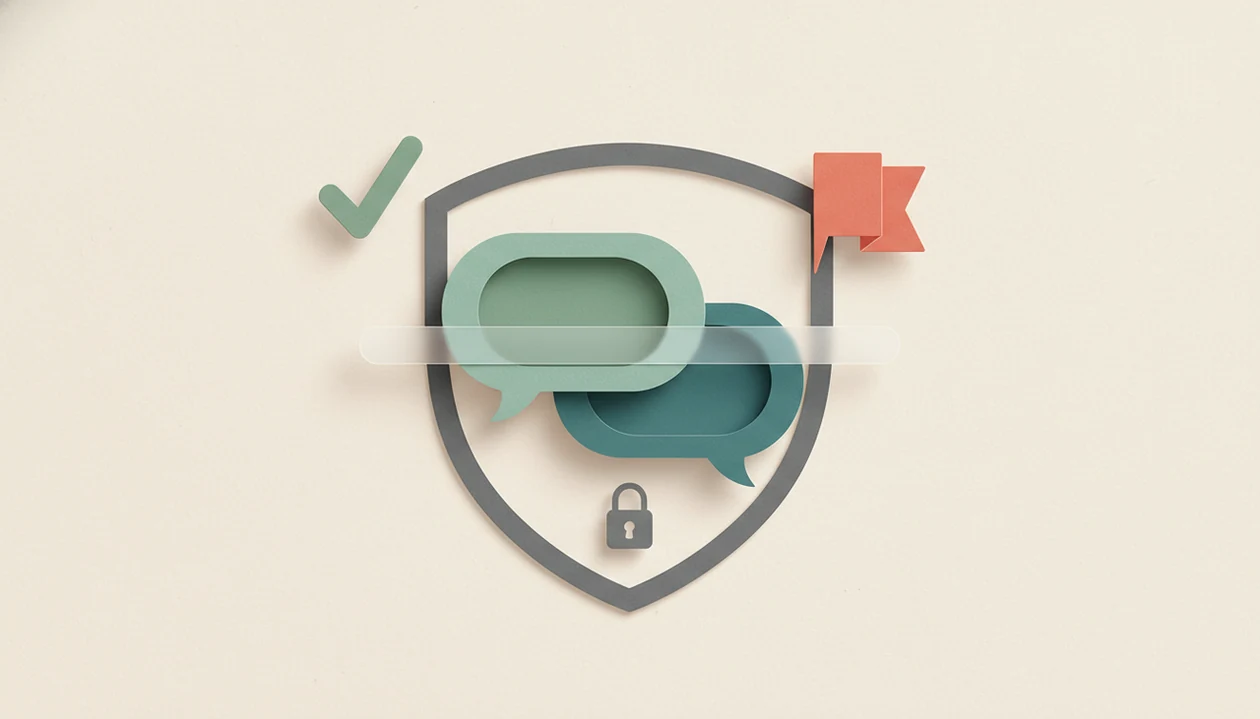
Safe AI dating messages are AI-assisted replies that help you communicate clearly without pressure, deception, harassment, or manipulation. They should preserve your real voice, respect consent, and avoid tactics like love bombing, negging, sexual pressure, or unsafe off-platform escalation.
Definition: Safe AI dating messages are respectful, honest AI-assisted dating app texts that support consent, boundaries, and user safety without pretending to be someone else or manipulating another person.
This guide is safety education, not legal, clinical, or crisis advice. If a message includes threats, stalking, sexual coercion, self-harm risk, or immediate danger, use the dating platform’s safety tools and contact local emergency or crisis support instead of relying on AI.
TL;DR
- Use AI to clarify tone, set boundaries, and decline politely, not to pressure someone into replying, meeting, or sharing private information.
- Safe dating AI should block harassment, hate, sexual coercion, minors-related sexual content, self-harm encouragement, violence, and deceptive emotional intimacy.
- AI can help identify red-flag patterns, but it cannot know intent, context, trauma history, or real-world risk as reliably as human judgment and platform safety tools.
Safe AI dating messages definition and boundary standard
Safe AI dating messages are supportive drafting help, not a way to control someone’s reaction or hide what you mean. The boundary standard is simple: consent, honesty, respectful tone, privacy protection, and no pressure.
A safe assistant can help soften a blunt Bumble opener, shorten a long Hinge reply, or turn a defensive text into a clearer boundary. It should not invent feelings, fake urgency, or make you sound like a different person. If your screenshot crop cuts off the previous message, the tool should ask for context instead of guessing.
A task-focused dating assistant should suggest clearer replies, profile edits, or red-flag checks without simulating affection, dependency, or urgency. That is different from emotionally immersive AI companions that imitate closeness or attachment.
Five facts about AI dating safety and message risk
AI dating safety matters because dating apps are now ordinary social spaces, not niche tools. Pew reported in 2023 that 35% of U.S. adults had used a dating site or app, rising to 53% among adults under 30; among online daters, 37% experienced continued contact after saying they were not interested, and 35% received an unwanted sexually explicit message or image source.
- Authentic voice: AI should help you say what you mean, not impersonate a smoother, more intense, or more available version of you.
- Hard blocks: Dating AI needs blocks for harassment, hate, sexual coercion, minors-related sexual content, self-harm, and violence.
- Pattern help, not certainty: AI can flag pressure or insults, but it cannot fully judge intent, risk, or safety.
- Privacy limits: Do not share addresses, financial details, explicit images, crisis details, or sensitive personal data with tools or matches.
- No manipulation: Negging, love bombing, fake intimacy, and dark psychology scripts are unsafe messaging.
A 2025 Common Sense Media and Stanford Brainstorm review warned that AI companion chatbots can expose users to unsafe sexual, violent, self-harm, substance-use, or stereotype-based responses source. The Jed Foundation has also warned that AI companions may create risks for isolated or vulnerable users when they blur support, intimacy, and authority source.
How safe AI dating messages work behind the scenes
Safe AI dating messages work by turning user context into a reply only after checking intent, tone, and risk. A safer system should classify the request before drafting, then offer a message the user can review.
The workflow usually has five parts: user context, intent detection, tone shaping, safety filtering, and final user review. Intent detection means the system identifies what you are trying to do, such as flirt, decline, apologize, slow down, or end contact. Safety filtering means it screens for coercion, harassment, deception, explicit pressure, hate, and threats before suggesting a reply.
The thumb-hover moment is real.
If a match asks to leave the app fast, a safer assistant should not help you push them harder. It should suggest slower pacing, a polite decline, or a boundary statement. It also should not claim certainty about the other person’s motive. “This may be pressure” is safer than “They are definitely dangerous.”
How to use AI dating messages safely
Use AI dating messages as a drafting aid, not an autopilot. The safest process is to protect privacy first, ask for consent-respecting wording, and send only after the reply still feels true to you.
- State your real goal before asking for a draft. Say whether you want to show interest, slow the pace, decline, apologize, or end the chat, so the assistant does not turn uncertainty into pressure.
- Remove private details before pasting anything in. Leave out screenshots with faces, names, addresses, workplaces, schools, phone numbers, handles, financial details, and any identifying context the draft does not need.
- Ask for a respectful reply that leaves the other person free to say no, pause, or not answer. A good prompt might request warmth, brevity, honesty, and no guilt.
- Check the draft for pressure, fake intimacy, sexual escalation, deception, or language that makes you sound more invested than you are. If it pushes for a number, a meetup, or a response too hard, revise it.
- Edit the final wording until it sounds like your normal texting voice. Then decide whether sending is actually safer than waiting, setting a boundary, reporting, or not replying.
Respectful AI replies that are allowed in dating chats
Respectful AI replies are allowed when they clarify your real intent and leave room for the other person to say no or not respond. They help with warmth, length, timing, apologies, and boundaries without creating fake closeness.
Low-pressure interest
AI can help rewrite interest so it sounds human, not salesy. For example, it can make a hiking prompt opener specific without pushing for a date immediately. A safer reply might ask one easy question and keep the pace light.
Clear boundary statements
AI can help say, “I’m not ready to share my number yet,” or “I prefer to keep plans on the app for now.” The safer next step is often a clear limit, not a clever comeback. For privacy specifics, our AI dating privacy guide covers what to keep out of chats.
Kind refusals and exits
AI can help decline kindly, apologize for mixed signals, or close a conversation without blame. Safe replies do not push for phone numbers, location, explicit photos, or immediate off-platform contact.
Dating message boundaries that AI should never cross
Dating message boundaries are the lines AI should not help users blur, pressure, or override. If a person says no, slows down, or stops replying, AI should not generate scripts that keep pushing.
| Unsafe boundary crossing | Why it is not safe | Safer alternative |
|---|---|---|
| Negging or guilt scripts | They use insecurity or obligation to force engagement. | Ask one respectful question or stop. |
| Jealousy bait or fake scarcity | They create false pressure. | Be honest about interest and availability. |
| Fake emotional intimacy or love bombing | They simulate closeness that has not been built. | Keep affection proportional to the actual relationship. |
| Sexual pressure or explicit-image pressure | They ignore consent and comfort. | Ask nothing sexual unless consent is clear and mutual. |
| Deception about age, identity, status, or intentions | It removes informed consent. | State the truth plainly. |
| Unsafe off-platform escalation | It can expose private data before trust exists. | Stay on-platform until trust is established. |
For many users, a direct boundary is safer than another persuasive reply because it removes ambiguity from the chat.
Common myths about safe AI dating messages
AI-written dating messages are not automatically neutral or safe. A generic model can produce manipulative, sexualized, or coercive wording if it lacks strict safeguards and user review.
One myth says AI can tell exactly who is toxic or safe. It can’t. A green Android bubble with “haha nice” after your thoughtful reply might mean disinterest, distraction, or awkward phrasing. Check the context before turning one message into a verdict. Our guide to toxic text analyzer limitations explains why red-flag tools should stay cautious.
Another myth is that pushing harder is fine if it works. It is not. A reply that gets a date by wearing someone down still violates dating message boundaries.
AI companions are also not harmless dating practice by default. Research warnings from Stanford-linked reviewers and the Jed Foundation point to cases where immersive bots blurred reality or encouraged unsafe behavior. That is different from task-based reply help.
Unsafe AI dating reply actions for mobile daters
“Should I send an AI dating reply if it feels pressuring, dishonest, sexualized, or out of character?” No. Rewrite it toward a direct boundary, a slower pace, or no response.
If a match sends a guilt trip after a delayed reply, do not ask AI for a sharper insult. Ask for a calm boundary or decide not to answer. Save screenshots of concerning messages when appropriate, especially before blocking or unmatching. Small habit. Big difference.
Report abusive profiles or messages to the dating platform when there is harassment, threats, impersonation, scams, or unwanted explicit content. The Australian eSafety Commissioner advises users to report harmful dating content directly to the platform as part of online dating safety source.
If the message mentions immediate violence, stalking, sexual assault, self-harm, extortion, or a threat to share intimate images, treat it as a real-world safety issue first. Save evidence only when it is safe to do so, then contact the platform, a trusted person, local emergency services, or a crisis hotline as appropriate.
For screenshots, crops, and identifying details, review dating app screenshot privacy before uploading a message screenshot into any tool.
When to seek help or report unsafe dating messages
Seek help or report unsafe dating messages when the chat shifts from awkward to threatening, coercive, repeated, or identity-related abuse. Do not keep negotiating, explaining, or asking AI for better replies when the safer move is to stop contact and use human or platform support.
- Block or report messages that include threats, stalking, sexual pressure, hate, impersonation, scams, blackmail, repeated contact after rejection, or unwanted explicit images.
- Tell a trusted friend, roommate, family member, or date-plan contact if you feel watched, pressured to meet, afraid to say no, or unsure whether the situation is escalating.
- Contact local authorities or emergency services if there is immediate danger, a credible threat, stalking near your home or work, sexual assault, extortion, or threats involving weapons.
- Use crisis or specialist support if the message includes self-harm threats, intimate-image abuse, domestic violence, trafficking concerns, or sexual violence.
- Preserve screenshots, profile details, handles, times, and links only if doing so does not make you less safe or provoke more contact.
Official safety resources may include the dating app’s reporting tools, emergency services, non-emergency police lines, crisis hotlines, sexual assault services, domestic violence organizations, cybercrime portals, and online safety regulators. They cannot guarantee a specific outcome, but they are more appropriate than another AI-generated reply when risk is real.
Limitations
AI-assisted dating messages can reduce texting anxiety, but they cannot make safety decisions for you. Every suggestion still needs user review before sending.
- AI cannot truly understand trauma history, coercive dynamics, offline risk, or all cultural nuance.
- AI can hallucinate, overstate certainty, miss sarcasm, or misread a joke as a threat.
- AI should not replace emergency help, professional advice, trusted friends, or platform safety tools.
- Over-reliance can make replies sound less authentic and make in-person chemistry harder.
- Emotionally immersive AI companions can create dependency or blur real versus simulated intimacy.
- Safe suggestions may still be wrong if the screenshot crop leaves out key context.
- AI cannot verify whether a match is lying about identity, relationship status, age, or intentions.
If you are rereading a message at 11:38 p.m. and feel unsafe, sleep is not the only option. Contact someone you trust, use platform tools, or seek urgent help if there is immediate danger. For authenticity questions, AI dating authenticity gives a useful line between support and misrepresentation.
FAQ
Are AI dating messages safe?
AI dating messages can be safe when they respect consent, privacy, authenticity, and boundaries. They become unsafe when they pressure, deceive, harass, or sexualize someone without consent.
Can AI write dating replies?
AI can help draft dating replies, shorten messages, and adjust tone. The user must review truthfulness, context, and boundaries before sending.
Is AI flirting manipulative?
AI flirting is not automatically manipulative if it helps with respectful wording. It becomes manipulative when it uses negging, fake intimacy, guilt, or pressure.
What are dating message boundaries?
Dating message boundaries are clear limits around pace, privacy, sexual content, contact frequency, and meeting plans. They tell the other person what is comfortable and what is not.
Should AI detect toxic messages?
AI can flag patterns such as insults, pressure, threats, or repeated contact after rejection. It cannot prove intent or guarantee that someone is safe.
Can AI send sexual messages?
AI-assisted dating messages should avoid sexual pressure, non-consensual explicit content, and any minors-related sexual content. Sexual communication requires clear consent and appropriate context.
What data should I avoid sharing?
Avoid sharing addresses, financial details, explicit images, full identity details, workplace specifics, passwords, and crisis details with AI tools or dating app matches. Keep sensitive information out of message screenshots when possible.
When should I report a match?
Report a match for harassment, threats, impersonation, scams, unwanted explicit content, or repeated contact after rejection. Use the dating platform’s reporting tools and save relevant screenshots when it is safe to do so.